The problem
What “hard water” actually means
Rain picks up calcium and magnesium as it soaks through rock and soil on its way to rivers, reservoirs, and wells. Water carrying a lot of those dissolved minerals is called hard. The U.S. Geological Survey classifies water above about 7 grains per gallon (roughly 120 mg/L as calcium carbonate) as hard.
The City of Wichita’s 2026 Water Quality Report lists total hardness of 130 mg/L (about 7.6 gpg, sampled April 21, 2025), and its2025 report lists 170 mg/L (about 9.9 gpg, sampled May 21, 2024). USGS rates 121 to 180 mg/L as hard. Your own utility’s annual Consumer Confidence Report (CCR) is the source of truth for your address.
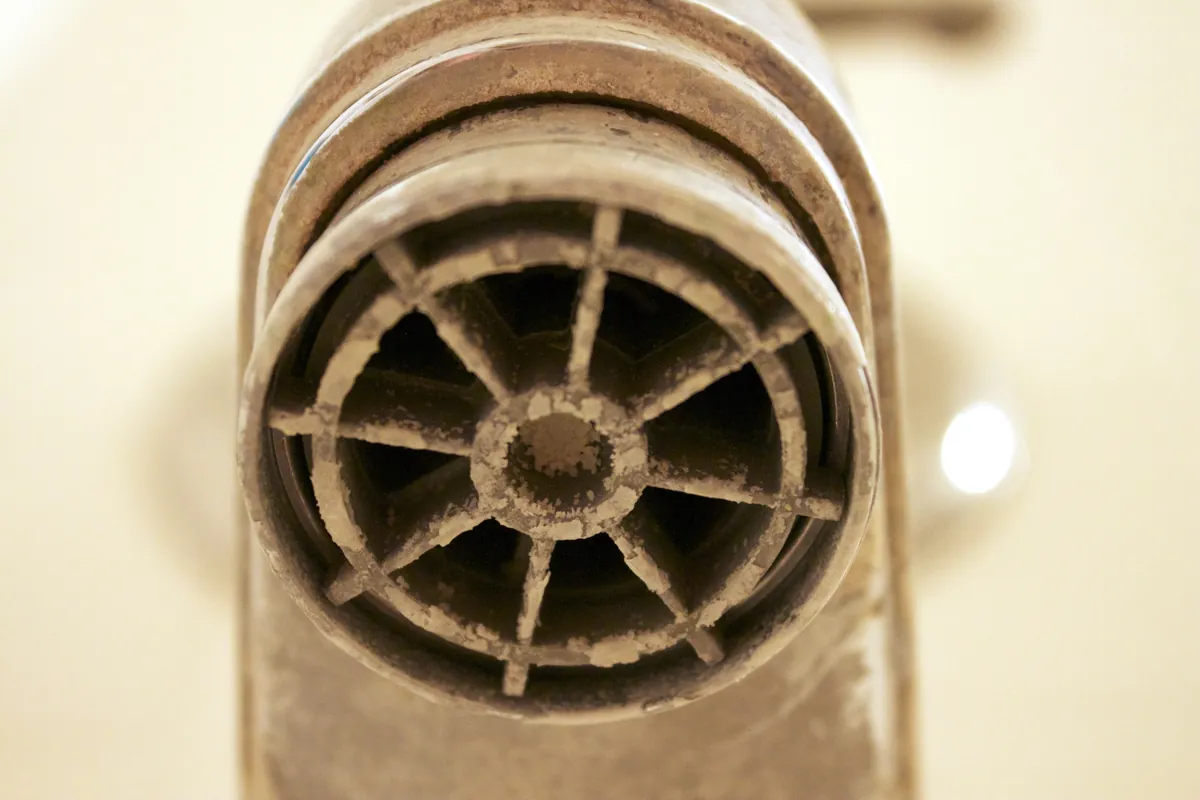
The minerals stay invisible while the water is cold and moving. When water heats up or dries on a surface, they drop out as a chalky white scale — on fixtures, on glass, and inside pipes and the water heater.
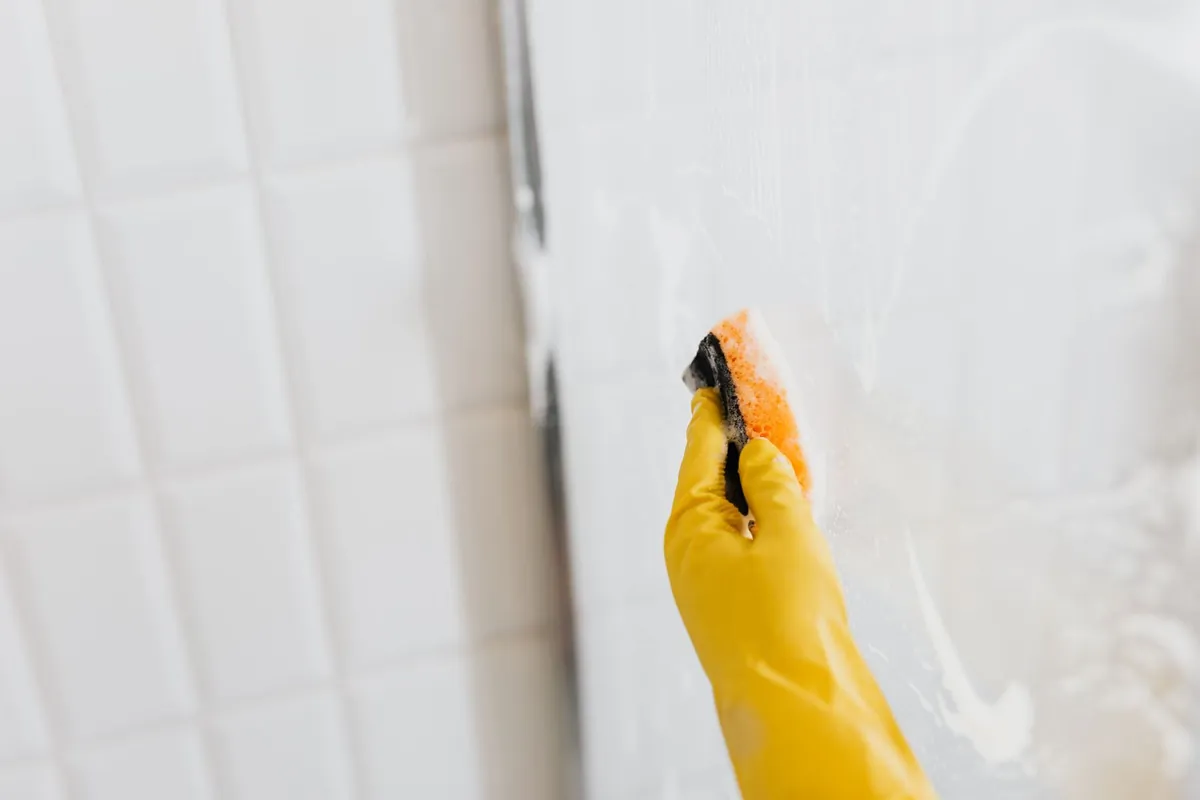
Hardness is not a drinking-water safety rating. It describes minerals that wear on a household — fixtures, appliances, and cleaning time.